
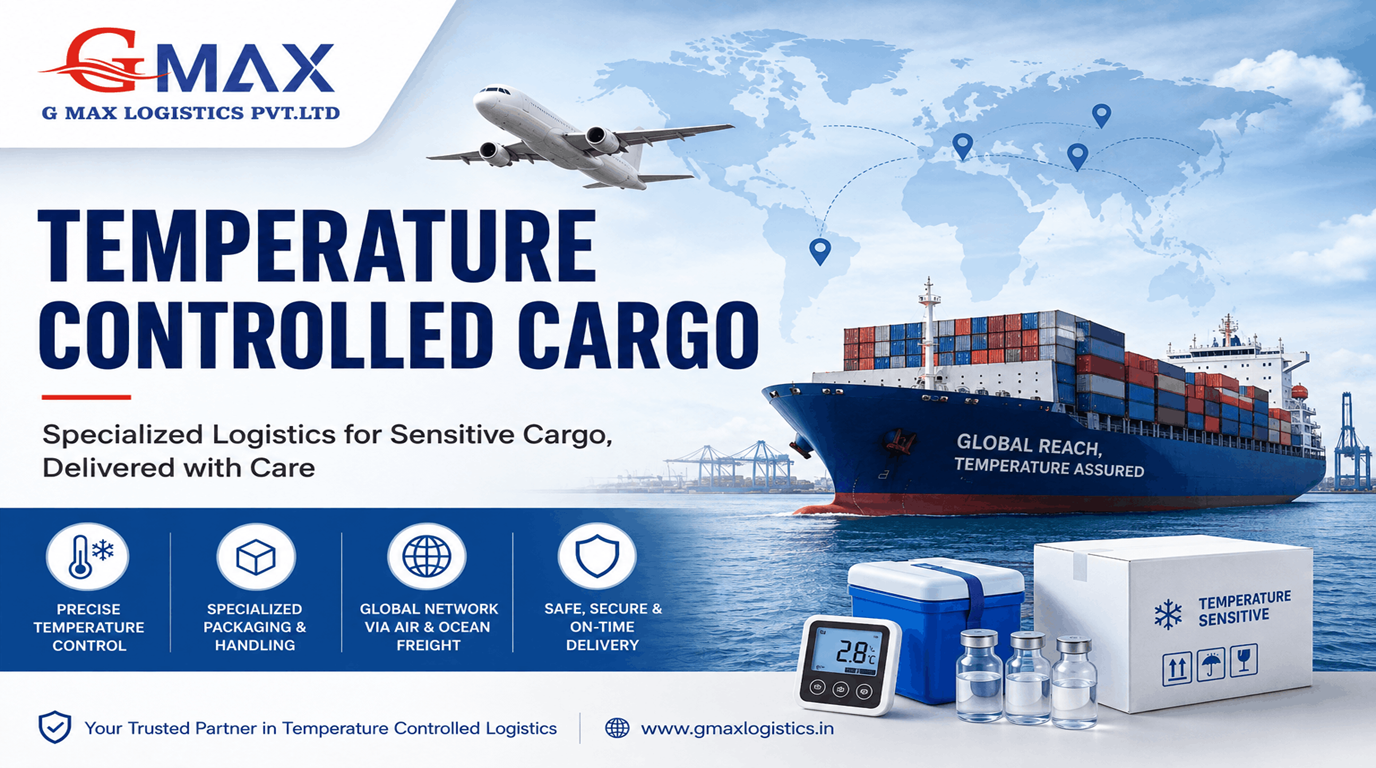
In modern supply chains, not every shipment can be transported like ordinary cargo. Certain products need carefully controlled environmental conditions throughout their journey to maintain their quality, safety, and effectiveness. This is where temperature controlled cargo plays an important role. From medicines and vaccines to fresh food, dairy products, biological materials, and other temperature-sensitive goods, maintaining the right temperature from origin to destination is essential.
For businesses dealing with sensitive products, choosing the right logistics partner is not simply about moving cargo from one location to another. It is about protecting the shipment at every stage of transportation.
What Is Temperature Controlled Cargo?
Temperature controlled cargo refers to goods that must be stored and transported within a specified temperature range. These shipments require specialized equipment, packaging, monitoring systems, and handling procedures to prevent temperature fluctuations that could affect product quality.
Depending on the nature of the cargo, different temperature conditions may be required. Some pharmaceutical products, for example, need to remain within a controlled range such as 2°C to 8°C, while frozen products may require temperatures well below zero. The exact requirement depends on the product specifications provided by the manufacturer or shipper.
Temperature control is not limited to the vehicle or container. The complete supply chain—including storage, loading, transit, handling, customs clearance, and final delivery—needs to be managed carefully. Industry guidance emphasizes temperature monitoring, suitable packaging, proper handling, traceability, and risk management for temperature-sensitive shipments.
Why Is Temperature Control Important?
A temperature-sensitive product can lose its intended quality if exposed to unsuitable conditions for too long. In the case of medicines and vaccines, temperature excursions can potentially affect product stability and effectiveness. For food and other perishables, inadequate temperature control can accelerate spoilage and reduce shelf life.
This makes temperature management an important part of supply chain planning rather than an additional feature. A shipment may travel hundreds or thousands of kilometres, pass through different climatic conditions, and experience multiple handling points before reaching its destination. Without proper controls, every transition can introduce risk.
In India, where cargo may travel through significant variations in weather and operating conditions, reliable cold-chain planning becomes especially important.
Types of Cargo That Require Temperature Control
Temperature controlled transportation is used across several industries. Common examples include:
- Pharmaceuticals: Vaccines, medicines, biologics, insulin, and other temperature-sensitive healthcare products.
- Food and beverages: Dairy products, seafood, meat, frozen foods, fruits, vegetables, and other perishables.
- Biological materials: Certain laboratory and research materials that require controlled environmental conditions.
- Specialty chemicals: Products whose stability can be affected by excessive heat or cold.
- Agricultural products: Seeds, fresh produce, and other goods that require specific storage conditions.
The temperature requirement is different for each product, so cargo should always be handled according to its specified transportation and storage conditions.
How Temperature Controlled Logistics Works
A successful temperature controlled shipment begins with understanding the cargo. The shipper and logistics provider need to establish the required temperature range, expected transit time, route, packaging requirements, and potential points of risk.
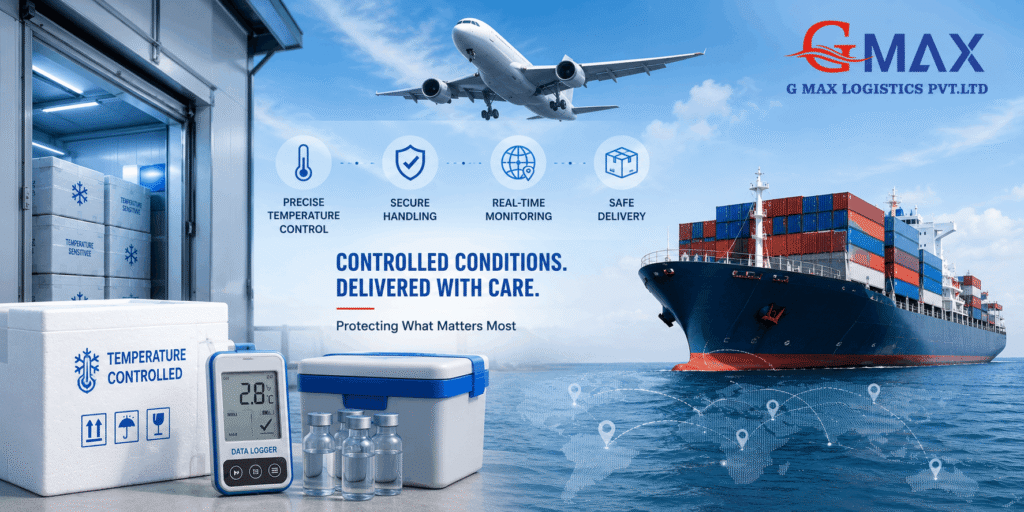
Specialized refrigerated vehicles, reefer containers, insulated packaging, thermal liners, and other equipment can then be selected according to the shipment. Temperature monitoring devices can record conditions during transit, helping logistics teams identify deviations and maintain shipment visibility.
Proper pre-shipment preparation is equally important. Packaging should be suitable for the expected journey, while loading procedures should minimize exposure to outside temperatures. During transportation, monitoring systems can provide valuable information about the shipment’s condition and help teams respond to potential problems.
For air cargo, international industry standards also place strong emphasis on temperature-sensitive healthcare shipments, including appropriate labeling, handling, documentation, and temperature management.
The Role of Technology in Temperature Controlled Cargo
Technology has transformed the way temperature-sensitive shipments are managed. Modern monitoring solutions can capture temperature data throughout a shipment and provide greater visibility into cargo conditions.
GPS tracking, digital shipment management, IoT-enabled sensors, and automated alerts can help logistics teams identify delays, route changes, or temperature deviations more quickly. This information can also create a useful record of the shipment’s journey.
For customers, greater visibility means more confidence. Instead of simply knowing where a shipment is, they can have a better understanding of how it is being handled.
Choosing the Right Logistics Partner
Temperature controlled transportation requires more than refrigerated equipment. Experience, planning, documentation, trained personnel, contingency arrangements, and reliable communication all contribute to a successful shipment.
A capable logistics provider should understand the specific requirements of sensitive cargo and plan the transportation process accordingly. It should also be able to coordinate different stages of the supply chain, including freight forwarding, warehousing, customs clearance, and final delivery.
G Max Logistics provides specialized logistics solutions, including temperature-controlled cargo and pharma-grade reefer services, supported by transportation, warehousing, freight forwarding, and customs capabilities.
Temperature Controlled Cargo with G Max Logistics
At G Max Logistics, temperature-sensitive shipments are handled with a focus on safety, reliability, and operational control. Our logistics capabilities are designed to support businesses that need dependable transportation for sensitive cargo across domestic and international supply chains.
Whether the shipment involves pharmaceuticals logistics, perishables, or other temperature-sensitive products, selecting the right transportation method and maintaining appropriate handling procedures can make a significant difference.
Temperature controlled cargo is ultimately about protecting product integrity from the moment a shipment leaves its origin until it reaches its final destination. With the right combination of infrastructure, monitoring, expertise, and careful planning, businesses can reduce transportation risks and deliver sensitive products with greater confidence.
Looking for reliable temperature controlled cargo solutions? Partner with G Max Logistics for professionally managed logistics and specialized cargo handling designed around your shipment requirements.